Creamy Feta Cheesecake- Savory Delight
Feta Cheesecake isn’t your grandma’s dessert, and that’s precisely why I adore it! Forget the overly sweet, cloying versions you might be used to. This is a revelation, a sophisticated dance of flavors that will have your guests beggin extractg for the recipe. We’re talking about a creamy, tangy delight that masterfully balances the salty punch of feta cheese with a subtle sweetness, creating a profile that is both surprisingly familiar and excitingly new. It’s a dish that proves cheesecake can be more than just a sugar rush; it can be a savory-leaning masterpiece, perfect for impressing at brunches, gatherings, or simply for treating yourself to something truly special. The unique texture and the unforgettable taste of this feta cheesecake are what make it a standout in my culinary repertoire, and I can’t wait to share it with you.
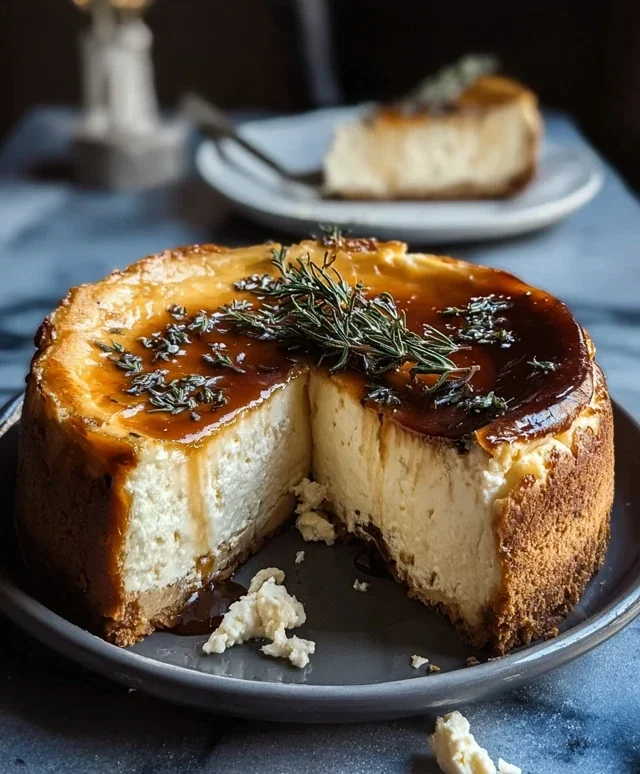
Feta Cheesecake
There’s something undeniably elegant about a cheesecake. It’s a dessert that feels special, perfect for celebrations or just a treat to brighten any day. But have you ever thought beyond the classic sweet varieties? Today, we’re diving into a delightful and sophisticated twist: Feta Cheesecake. This isn’t your grandmother’s sweet cheesecake; this is a savory sensation, a beautiful balance of creamy, tangy, and herbaceous notes that will surprise and delight your palate. The salty tang of feta cheese, combined with the rich creaminess of traditional cheesecake ingredients, creates a flavor profile that is both unique and utterly addictive. We’ll be incorporating fresh thyme and a hint of lemon zest to further elevate the savory elements, making this a truly memorable dish.
Ingredients:
Cooking Instructions:
Let’s get started on creating this culinary masterpiece. The process is straightforward, but paying attention to a few key details will ensure a perfectly baked and incredibly delicious feta cheesecake.
1. Preparing the Crust: The foundation of any good cheesecake is its crust, and ours is no exception. In a medium bowl, combine the grabeef ham cracker crum extractbs with the melted butter. Stir until the crum extractbs are evenly moistened and resemble wet sand. This is crucial for creating a crust that holds together well. You can use a standard 9-inch pie plate or a springform pan for this recipe. If using a springform pan, which is often preferred for cheesecakes as it allows for easy removal, press the crum extractb mixture firmly and evenly into the bottom of the pan. For a pie plate, press it into the bottom and slightly up the sides. Ensure the crust is well-compacted to prevent it from crum extractbling when you serve the cheesecake. You can use the bottom of a glass or a measuring cup to help achieve a nice, even layer. Once pressed, pop the crust into the refrigerator for at least 10-15 minutes to firm up while you prepare the filling. This chilling step helps the crust set and become more stable.
2. Creating the Creamy Filling: Now for the star of the show – the filling! In a large mixing bowl, beat the softened cream cheese until it’s smooth and creamy, with no lumps. Softened cream cheese is key here; if it’s too cold, you’ll end up with a lumpy filling. You can achieve this by letting it sit at room temperature for an hour or two, or by gently microwaving it in short bursts. Next, add the crum extractbled feta cheese to the cream cheese mixture. Gently fold it in, you don’t want to overmix at this stage, as we want some distinct pockets of feta flavor. Then, incorporate the sour cream, honey, and lemon zest. Mix until just combined. The honey adds a subtle sweetness that beautifully balances the saltiness of the feta, and the lemon zest provides a bright, zesty counterpoint. Season this mixture with a pinch of salt and freshly ground black pepper to your liking. Remember that feta is already salty, so taste as you go and adjust accordingly.
3. Incorporating Eggs and Herbs: With the base of your filling ready, it’s time to add the eggs and fresh thyme. Add the eggs one at a time to the cream cheese and feta mixture, beating gently after each addition until just incorporated. Overbeating the eggs can introduce too much air into the batter, which can lead to cracks in your cheesecake. Finally, gently fold in the chopped fresh thyme. The fresh herbs are what truly elevate this cheesecake into something special, offering an aromatic and earthy complexity that pairs wonderfully with the cheese. Make sure the thyme is evenly distributed throughout the filling for consistent flavor in every bite.
4. Baking the Feta Cheesecake: Pour the prepared filling over the chilled crust. Smooth the top with a spatula. Now, we’re going to bake this beauty. Preheat your oven to 325°F (160°C). For a cheesecake that bakes evenly and prevents cracking, I highly recommend using a water bath. To do this, wrap the outside of your springform pan tightly with a few layers of heavy-duty aluminum foil to prevent any water from seeping in. Place the foil-wrapped pan into a larger baking pan (like a roasting pan). Carefully pour hot water into the larger pan, ensuring it comes about halfway up the sides of the springform pan. This gentle, moist heat helps the cheesecake cook evenly and prevents the edges from overcooking before the center is done. Bake for approximately 50-60 minutes, or until the edges are set and the center is slightly jiggly when you gently shake the pan. The cheesecake will continue to set as it cools.
5. Cooling and Chilling for Perfection: This is arguably the most important step for achieving the perfect cheesecake texture. Once baked, turn off the oven, crack the oven door open slightly, and leave the cheesecake inside for another hour. This gradual cooling process helps prevent sudden temperature changes that can cause cracks. After the hour in the oven, remove the cheesecake from the water bath and let it cool completely on a wire rack. Once it’s at room temperature, cover it loosely with plastic wrap and refrigerate for at least 4 hours, or preferably overnight. This chilling period is crucial for allowing the flavors to meld and the cheesecake to firm up to its ideal texture. A well-chilled feta cheesecake is firm yet creamy, with a depth of flavor that is truly remarkable.
Serve your Feta Cheesecake chilled, perhaps with a drizzle of extra honey, some fresh thyme sprigs as garnish, or even a side of fig jam for an extra layer of sweet and savory complexity. Enjoy this unique and delicious creation!
Conclusion:
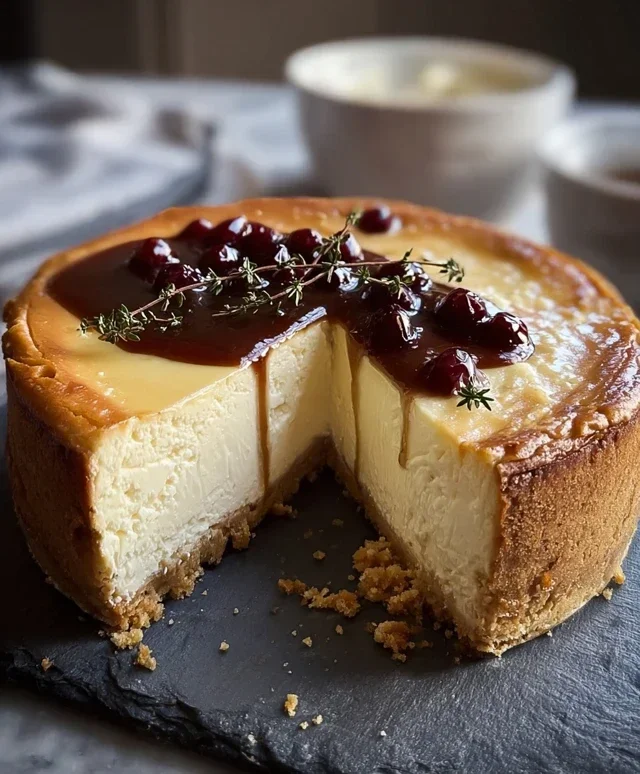
I hope you’re as excited about this Feta Cheesecake as I am! This recipe truly offers a delightful departure from the traditional sweet cheesecake, proving that savory can be just as decadent and satisfying. The salty tang of the feta cheese, perfectly balanced with the creamy richness of the cream cheese, creates a flavor profile that is both sophisticated and incredibly approachable. Its versatility makes it a showstopper for any occasion, whether it’s a starter for a dinner party or a unique addition to a brunch spread.
I love serving this Feta Cheesecake with a drizzle of honey or balsamic glaze, alongside fresh figs or toasted crostini for a beautiful contrast in textures and tastes. Don’t hesitate to experiment with different herbs like fresh dill or chives stirred into the filling, or even add a pinch of red pepper flakes for a subtle kick.
I truly encourage you to give this Feta Cheesecake a try. It’s surprisingly easy to make and the results are consistently impressive. Let me know how you get on and what delicious variations you come up with!
Frequently Asked Questions:
Can I make this cheesecake ahead of time?
Absolutely! This Feta Cheesecake is actually best made a day in advance. This allows the flavors to meld beautifully and the cheesecake to fully set. Store it covered in the refrigerator.
What can I substitute for feta cheese if I don’t have any?
While feta provides its signature salty flavor, you could try a crum extractbled goat cheese for a similar tangin extractess, or a combination of ricotta and a pinch of salt for a milder, creamy alternative. However, for the true Feta Cheesecake experience, the origin extractal ingredient is recommended.
How do I prevent my cheesecake from cracking?
To minimize cracking, ensure your cream cheese and eggs are at room temperature. Avoid over-mixing the batter once the eggs are added. Baking in a water bath (placing the springform pan inside a larger pan filled with hot water) also helps maintain a consistent, gentle heat, which is key for a smooth, crack-free surface.
Feta Cheesecake
A savory and slightly tangy cheesecake featuring the salty goodness of feta cheese, balanced with honey and fresh thyme.
Ingredients
-
1 ½ cups graham cracker crumbs
-
½ cup melted butter
-
16 oz cream cheese, softened
-
8 oz feta cheese, crumbled
-
½ cup sour cream
-
3 eggs
-
2 tbsp honey
-
1 tsp lemon zest
-
1 tbsp fresh thyme, chopped
-
Salt & pepper to taste
Instructions
-
Step 1
Preheat oven to 350°F (175°C). Prepare a 9-inch springform pan. -
Step 2
In a bowl, combine graham cracker crumbs and melted butter. Press mixture evenly into the bottom of the prepared pan. -
Step 3
In a large bowl, beat cream cheese until smooth. Gradually beat in feta cheese until well combined. -
Step 4
Beat in sour cream, honey, lemon zest, and chopped thyme until smooth. Mix in eggs one at a time, just until incorporated. -
Step 5
Pour the filling over the crust. Season with salt and pepper to taste. -
Step 6
Bake for 60 minutes, or until the center is almost set but still slightly jiggly. Turn off the oven and let the cheesecake cool in the oven with the door ajar for 1 hour. Remove from oven and cool completely on a wire rack before refrigerating.
Important Information
Nutrition Facts (Per Serving)
It is important to consider this information as approximate and not to use it as definitive health advice.
Allergy Information
Please check ingredients for potential allergens and consult a health professional if in doubt.