Spicy Kani Crab Sushi Roll- Easy Delicious Recipe
Kani sushi, also known as the spicy crab roll, is an absolute crowd-pleaser for a reason. It’s a vibrant explosion of flavor and texture that has captured the hearts (and taste buds) of sushi lovers everywhere. Have you ever craved that perfect balance of creamy, spicy, and slightly sweet? That’s exactly what this iconic roll delivers. What makes the kani sushi so special is its accessible yet exciting profile. It’s typically made with imitation crab meat (kani) mixed with a creamy, spicy mayonnaise sauce, often enhanced with a touch of Sriracha for that signature kick. Rolled with perfectly seasoned sushi rice and a sheet of nori, it’s then often topped with more spicy mayo, sesame seeds, or even a drizzle of eel sauce. It’s a dish that feels both comforting and adventurous, making it my go-to for a satisfying sushi experience.
Why You’ll Love Making Kani Sushi
Get ready to recreate this beloved spicy crab roll at home!
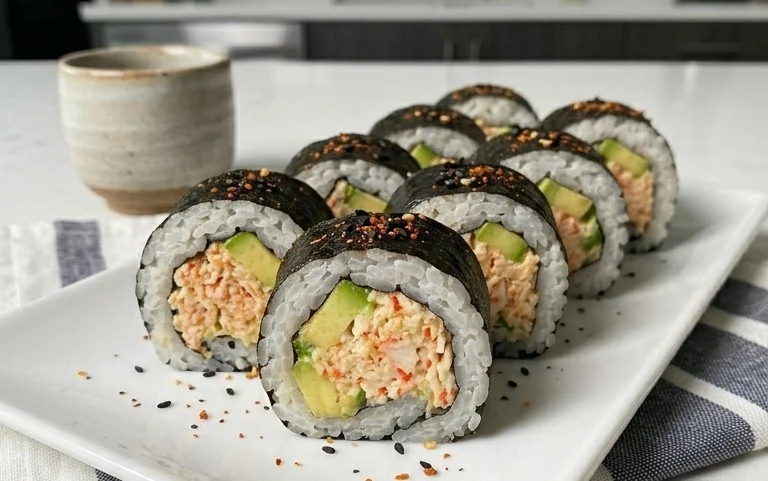
Kani Sushi (Spicy Crab Roll)
There’s something incredibly satisfying about making your own sushi at home. It’s a creative process, and the reward is a delicious, fresh roll that often surpasses what you’d get at a restaurant. Today, we’re tackling a crowd-pleaser: the Kani Sushi, also known as the Spicy Crab Roll. It’s got that perfect balance of creamy, spicy, and fresh, making it an irresistible treat. Don’t be intimidated if you’ve never rolled sushi before; with a little patience and these detailed instructions, you’ll be a pro in no time!
Ingredients:
Cooking Instructions:
Preparing the Sushi Rice
This is arguably the most crucial step for any sushi. The rice needs to be perfectly cooked and seasoned. Start by rinsing the sushi rice thoroughly. Place the uncooked rice in a fine-mesh sieve and rinse it under cold running water until the water runs clear. This removes excess starch, which is key to getting that distinct sticky texture without the rice becoming mushy. Once rinsed, let the rice drain for about 15-20 minutes.
In a medium saucepan, combine the rinsed and drained rice with the 2 cups of water. Bring to a boil over medium-high heat, then immediately reduce the heat to low, cover the pot tightly, and let it simmer for 15-18 minutes, or until all the water is absorbed. Avoid lifting the lid during this time to trap the steam. Once cooked, remove the pot from the heat and let it steam, covered, for another 10 minutes.
While the rice is steaming, prepare the sushi vinegar. In a small bowl, whisk together the unseasoned rice vinegar, granulated sugar, and salt until the sugar and salt are completely dissolved. You can gently warm this mixture in a small saucepan or microwave for a few seconds to help the dissolution, but be careful not to boil it.
After the rice has steamed, transfer it to a large, shallow non-metallic bowl, like a wooden hangiri or a glass baking dish. Gently fold in the prepared sushi vinegar using a rice paddle or a wooden spoon with a cutting motion. Avoid mashing the rice; the goal is to coat each grain evenly without breaking them. Fan the rice as you mix to cool it down quickly and give it a glossy sheen. This process should take about 5-10 minutes, until the rice is room temperature and has a slightly sticky, cohesive texture. Cover the seasoned rice with a damp cloth to prevent it from drying out while you prepare the other fillings.
Making the Spicy Crab Mixture
Now for the star of our roll! In a medium bowl, combine the thinly sliced imitation crab meat. Add the Kewpie mayonnaise, sriracha, lime juice, and sesame oil. Kewpie mayonnaise is a Japanese mayonnaise that is richer and creamier than Western varieties due to its use of egg yolks and a touch of rice vinegar, which really elevates the flavor. The sriracha adds a lovely kick of heat, and the lime juice provides a bright, zesty counterpoint. The sesame oil adds a subtle nutty aroma. Gently mix everything together until the crab meat is evenly coated in the spicy, creamy sauce. Taste and adjust the sriracha or lime juice if you prefer more heat or acidity.
Assembling the Kani Sushi Rolls
This is where the fun really begin extracts! Lay a bamboo sushi mat (makisu) on a clean, dry surface. Place one half-sheet of nori, shiny side down, on the bamboo mat. Make sure the nori is positioned with the longer side facing you. Have a small bowl of water mixed with a little rice vinegar (this is your “tezu” or hand-rinsing water) nearby. Dip your hands in the tezu to prevent the rice from sticking to your fingers, and take about half a cup of the seasoned sushi rice. Spread the rice evenly over the nori, leaving about a 1-inch border at the top edge (the edge farthest from you). This border will help seal the roll.
Adding the Fillings and Rolling
Now, arrange your fillings. Along the bottom edge of the rice (the edge closest to you), spread about one-third of the spicy crab mixture in a line. To the side of the crab mixture, lay some thin strips of avocado and julienned Persian cucumber. Don’t overfill the roll, as it will make it difficult to roll tightly.
With the help of the bamboo mat, carefully lift the edge of the mat closest to you, bringin extractg it over the fillings. Tuck the edge of the nori and rice over the fillings, using your fingers to keep the fillings in place. Continue to roll the mat forward, applying gentle, even pressure to form a tight, cylindrical shape. As you roll, you can pull the bamboo mat away from the nori. Once you reach the end, use the uncovered nori border to seal the roll. Moisten the border with a little water from your tezu to help it stick. Gently squeeze the roll through the bamboo mat to firm it up and ensure a uniform shape.
Cutting and Serving the Rolls
Once your rolls are formed, it’s time to cut them. Use a very sharp knife, and wipe it clean with a damp cloth between each cut to prevent the rice from sticking. Typically, each roll is cut into 6-8 pieces. Cut the roll in half first, then cut each half into thirds or quarters. Arrange the sushi pieces on a serving platter. For an extra touch of elegance and flavor, sprinkle the tops of the rolls with toasted black and white sesame seeds. Serve immediately with soy sauce for dipping and enjoy your homemade Kani Sushi! Making these spicy crab rolls is a rewarding culinary adventure, and the delicious results are well worth the effort.
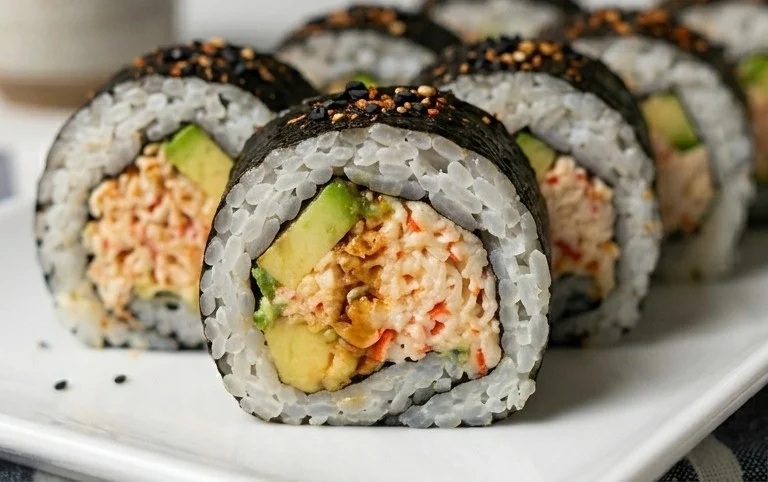
Conclusion:
There you have it – your guide to making delicious Kani Sushi (Spicy Crab Roll) right at home! This recipe is fantastic because it offers that satisfying spicy kick and creamy texture that makes a spicy crab roll so beloved, all achievable with simple ingredients and straightforward steps. It’s a wonderfully adaptable roll, perfect for impressing guests or enjoying a tasty homemade meal. Don’t be intimidated by sushi making; this Kani Sushi is a great starting point for any home cook looking to explore the world of Japanese cuisine.
For serving, these spicy crab rolls are wonderful on their own, but I love pairing them with a side of pickled gin extractger, wasabi, and a good quality soy sauce for dipping. They also make a fantastic addition to a larger sushi platter alongside other rolls and nigiri. If you’re feeling adventurous, consider some variations! You could add a sprinkle of toasted sesame seeds for extra crunch, a touch of sriracha to the mayonnaise for even more heat, or even some thinly sliced cucumber for a refreshing contrast. I truly encourage you to give this Kani Sushi recipe a try. It’s a rewarding culinary adventure that delivers incredible flavor!
Frequently Asked Questions about Kani Sushi:
Q: What is ‘kani’ in Kani Sushi?
A: ‘Kani’ is the Japanese word for crab. In Kani Sushi, it typically refers to imitation crab meat, also known as surimi. This is a processed seafood product made from white fish paste, seasoned to resemble crab meat. It’s widely used in many Western-style sushi rolls due to its affordability and consistent texture.
Q: How can I make my Kani Sushi spicier?
A: To increase the heat of your Kani Sushi, you can add more sriracha or your favorite chili sauce directly to the crab meat mixture. You can also experiment with adding a pinch of cayenne pepper or red pepper flakes for an extra kick. Some people also like to add a drop of chili oil for a different kind of heat and flavor.
Kani Sushi (Spicy Crab Roll)
A popular and easy-to-make spicy crab sushi roll featuring imitation crab meat mixed with creamy sriracha mayonnaise, fresh avocado, and crunchy cucumber, wrapped in nori and sushi rice.
Ingredients
-
1 1/2 cups short grain sushi rice (uncooked)
-
2 cups water
-
3 tablespoons unseasoned rice vinegar
-
1 tablespoon granulated sugar
-
1 teaspoon salt
-
9 sticks imitation crab meat (thinly sliced)
-
1/4 cup Kewpie mayonnaise
-
1 tablespoon sriracha
-
1/2 teaspoon lime juice
-
1/8 teaspoon sesame oil
-
1 avocado (thinly sliced)
-
2 persian cucumbers (julienned)
-
3 Nori Sheets (cut in half)
-
toasted sesame seeds (black and white)
-
Soy sauce
Instructions
-
Step 1
Rinse sushi rice until water runs clear. Cook rice with water according to package directions. Let stand, covered, for 10 minutes. -
Step 2
In a small saucepan, gently heat rice vinegar, sugar, and salt until sugar and salt dissolve. Do not boil. Let cool. -
Step 3
In a bowl, combine imitation crab meat, Kewpie mayonnaise, sriracha, lime juice, and sesame oil. Mix well until evenly coated. -
Step 4
Spread cooled rice evenly over half-sheets of nori, leaving a 1-inch border at the top. Sprinkle with toasted sesame seeds. -
Step 5
Arrange a portion of the spicy crab mixture, avocado slices, and cucumber juliennes horizontally on the rice, about 1 inch from the bottom edge. -
Step 6
Tightly roll the nori from the bottom up, using a sushi mat if available. Moisten the top border of the nori with a little water to seal. -
Step 7
Slice the rolls into 6-8 pieces each using a sharp, wet knife. Serve immediately with soy sauce.
Important Information
Nutrition Facts (Per Serving)
It is important to consider this information as approximate and not to use it as definitive health advice.
Allergy Information
Please check ingredients for potential allergens and consult a health professional if in doubt.