Hawaiian Spam Musubi Recipe – Easy & Delicious Snack
Hawaiian Spam Musubi is more than just a snack; it’s a portable piece of paradise that packs a serious punch of flavor and nostalgia. For anyone who’s ever set foot on the islands, or even just dreamt of them, this iconic treat is instantly recognizable. What is it about this humble combination of canned meat, rice, and nori that has captured hearts (and stomachs) worldwide? It’s the perfect marriage of salty, savory Spam, perfectly seasoned sushi rice, and the satisfying crunch of toasted seaweed. The simplicity is its genius, making Hawaiian Spam Musubi incredibly satisfying and surprisingly addictive. It’s the ultimate comfort food, a delightful lunchbox surprise, or the perfect on-the-go bite when you need a quick energy boost. Join me as we dive into creating this beloved Hawaiian Spam Musubi at home, bringin extractg a taste of Aloha to your own kitchen.
Hawaiian Spam Musubi
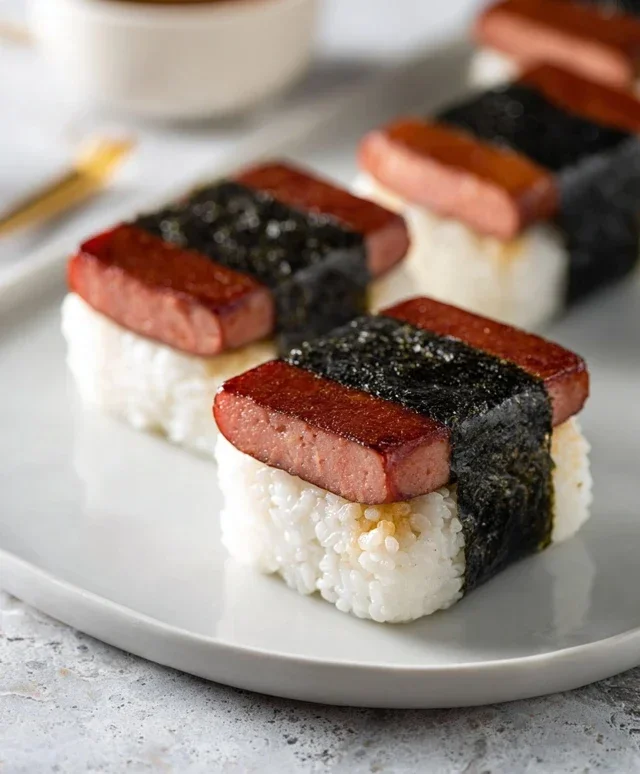
Welcome to a taste of the islands! Spam Musubi is a beloved Hawaiian treat, a simple yet incredibly satisfying snack or meal that perfectly balances savory, sweet, and salty flavors. It’s often found at convenience stores and local eateries across Hawaii, and once you try making it at home, you’ll understand why it’s such a popular staple. This recipe breaks down how to create these iconic rice and Spam rolls, perfect for picnics, lunchboxes, or just a delicious bite any time of day.
Ingredients:
Cooking Instructions:
1. Preparing the Sushi Rice
The foundation of a great Spam Musubi is perfectly cooked sushi rice. Start by rinsing your short-grain sushi rice thoroughly. This is a crucial step to remove excess starch, which will prevent the rice from becoming gummy. Place the rice in a fine-mesh sieve and run cold water through it, swirling the rice with your hand, until the water runs clear. Drain the rice well. In a medium saucepan, combine the rinsed rice with 2 cups of water. Bring to a boil over medium-high heat, then reduce the heat to low, cover tightly, and simmer for about 15-20 minutes, or until all the water is absorbed. Once cooked, let the rice steam, covered and off the heat, for another 10 minutes. While the rice is steaming, prepare the sushi vinegar. In a small bowl, whisk together the 2 tablespoons of rice vinegar, 1 tablespoon of granulated sugar, and 1/2 teaspoon of salt. Mix until the sugar and salt are completely dissolved. Gently transfer the hot, steamed rice to a large, shallow bowl or a baking sheet. Drizzle the sushi vinegar mixture evenly over the rice. Using a rice paddle or a wooden spoon, gently fold and “cut” the vinegar into the rice using a slicing motion. Avoid mashing the rice; you want to keep the grains intact. Continue to fold and cool the rice until it reaches room temperature. This cooling process allows the rice to absorb the vinegar mixture and become perfectly seasoned and slightly sticky, which is ideal for forming musubi.
2. Cooking the Spam
The star of the show, Spam, needs a little love to become the savory component of your musubi. Open your 12 oz can of Spam and drain any liquid. Slice the Spam into 8 equal pieces, about 1/4 inch thick. You can do this by cutting the can lengthwise first, then cutting across the resulting rectangular block. If you want perfectly uniform slices, you can even use a musubi mold if you have one, but it’s not essential. In a skillet, heat a small amount of oil over medium-high heat if your pan isn’t non-stick. Carefully place the Spam slices in the hot skillet and sear them for about 2-3 minutes per side, until they are nicely browned and slightly crispy. This searing process brings out the best flavor and texture. Once browned, remove the Spam from the skillet and set it aside on a plate lined with paper towels to absorb any excess grease.
3. Making the Glaze
The sweet and savory glaze is what truly elevates the Spam in musubi. In the same skillet you used for the Spam (no need to clean it, the leftover bits add flavor!), add the 2 1/2 teaspoons of soy sauce, 2 tablespoons of granulated sugar, and 1/4 cup of water. Bring this mixture to a simmer over medium heat, stirring constantly. Continue to cook, stirring, until the sugar has dissolved and the sauce has thickened slightly into a glaze, which should take about 2-3 minutes. Once the glaze has thickened, return the seared Spam slices to the skillet. Gently toss the Spam in the glaze, ensuring each slice is coated evenly. Cook for another minute or two, allowing the Spam to absorb the sweet and savory flavors of the glaze. Remove the glazed Spam from the skillet and set aside.
4. Assembling the Musubi
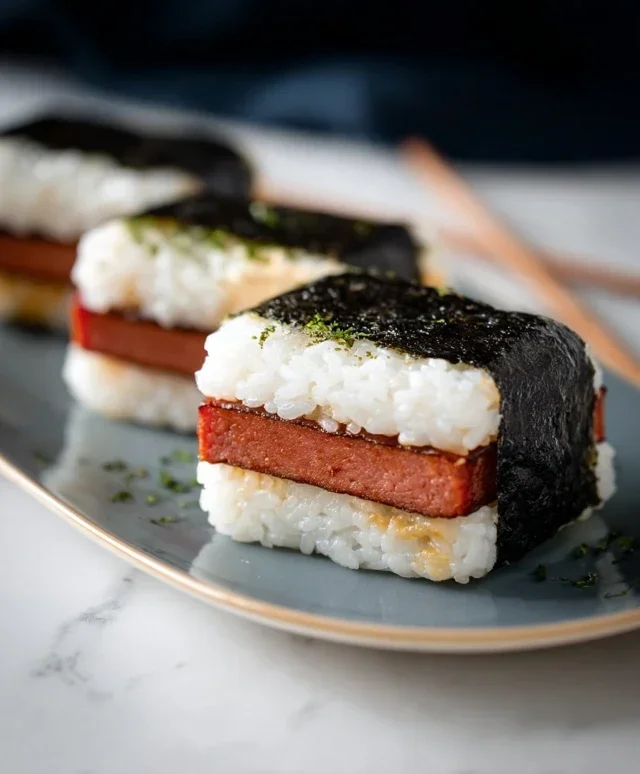
Now comes the fun part: assembling your Spam Musubi! Have your prepared sushi rice, glazed Spam slices, and your cut nori strips ready. You can use a musubi mold for this step if you have one, as it makes uniform shapes easier. If you don’t have a mold, don’t worry; you can still achieve great results. Place one sheet of nori, shiny side down, on a clean, dry surface. If you’re using a musubi mold, place it on top of the nori. Fill the mold (or create a rectangular shape with your hands) with a layer of sushi rice, about 1/2 inch thick. Gently press the rice down to compact it. Place a glazed Spam slice on top of the rice. Then, add another layer of sushi rice on top of the Spam, also about 1/2 inch thick, pressing it down firmly. Carefully lift the musubi mold off, if using. To wrap the musubi, bring the sides of the nori strip up and around the rice and Spam. Slightly overlap the ends of the nori and moisten the overlapping edge with a little water to help it seal. Press gently to secure the wrap. If you’re not using a mold, you can carefully form the rice into a rectangle on the nori, add the Spam, then more rice, and then wrap the nori around it.
5. Finishing Touches and Serving
Once you have assembled all your Spam Musubi, you’re almost done! You can eat them immediately, or for a more polished presentation, you can gently press the musubi one last time to ensure they hold their shape. The slightly warm rice and Spam make the nori pliable for wrapping, and as they cool, they will firm up. These are delicious served at room temperature or slightly warm. They make for a fantastic portable meal, perfect for packing in lunchboxes, taking on a hike, or enjoying at a beach picnic. You can customize them further by adding a sprinkle of furikake (Japanese rice seasoning) on top of the rice before wrapping with the nori for an extra layer of flavor and texture. Enjoy your homemade Hawaiian Spam Musubi – a little taste of paradise in every bite!
Conclusion:
Making Hawaiian Spam Musubi at home is a truly rewarding experience, offering a delightful fusion of savory, sweet, and salty flavors that’s incredibly satisfying. This recipe is fantastic because it’s so accessible – requiring minimal ingredients and straightforward steps, making it perfect for begin extractners and seasoned cooks alike. The resulting musubi is a portable powerhouse of taste, ideal for quick lunches, beach picnics, or even as a unique appetizer. The slightly caramelized Spam, seasoned rice, and the optional nori wrap create a symphony of textures and tastes that will have you coming back for more. Don’t hesitate to dive in and create your own batch of this iconic Hawaiian treat!
For serving suggestions, enjoy your Spam musubi fresh and warm, or at room temperature. They are excellent on their own, or paired with a side of fresh fruit like pineapple or mango. For variations, consider adding a sprinkle of furikake seasoning to your rice for extra flavor, or a thin slice of avocado for creaminess. Some people even like to add a drizzle of sriracha mayo for a spicy kick. I truly encourage you to give this recipe a try; it’s a simple yet delicious way to bring a taste of Hawaii into your kitchen.
Frequently Asked Questions about Hawaiian Spam Musubi:
Q: Can I use a different type of Spam?
A: While the classic Spam Classic is the traditional choice, you can experiment with other varieties like Spam Lite or Spam with Beef Bacon. Keep in mind that flavor profiles will vary slightly.
Q: How should I store leftover Spam Musubi?
A: Leftover musubi can be stored in an airtight container in the refrigerator for up to 2-3 days. For the best texture, it’s recommended to eat them within the first day or two.
Q: Can I make Spam Musubi ahead of time?
A: Yes, you can prepare the rice and cook the Spam ahead of time. Assemble the musubi just before you plan to eat them for the freshest taste and texture.
Hawaiian Spam Musubi
A popular Hawaiian snack consisting of grilled Spam and rice wrapped in nori seaweed.
Ingredients
-
1 1/2 cup dry short grain sushi rice
-
2 cups water
-
2 tablespoon rice vinegar
-
1 tablespoon granulated sugar
-
1/2 teaspoon salt
-
1 can 12 oz Spam
-
2 1/2 teaspoon soy sauce
-
2 tablespoon granulated sugar
-
1/4 cup water
-
3 sheets roasted seaweed nori (cut into 2 inch wide strips)
Instructions
-
Step 1
Rinse the sushi rice thoroughly and cook it according to package directions, usually with 2 cups of water. -
Step 2
While the rice is cooking, prepare the sushi vinegar by whisking together rice vinegar, 1 tablespoon sugar, and 1/2 teaspoon salt until dissolved. Let it cool. -
Step 3
Once the rice is cooked, gently fold in the cooled sushi vinegar. Cover and let it steam for 10 minutes. -
Step 4
Slice the Spam into 8 pieces. In a small bowl, whisk together soy sauce, 2 tablespoons sugar, and 1/4 cup water. Pour this mixture over the Spam slices. -
Step 5
Pan-fry the Spam slices in a non-stick skillet over medium heat for about 2-3 minutes per side, until caramelized and slightly crispy. Brush with the remaining glaze from the pan. -
Step 6
Cut the nori sheets into 2-inch wide strips. Place a musubi mold or a rectangular container on a piece of plastic wrap. Press a layer of sushi rice into the mold. -
Step 7
Place a slice of glazed Spam on top of the rice. Press down firmly to compact. -
Step 8
Lift the musubi out of the mold and wrap it with a strip of nori seaweed, securing the end with a grain of rice or a dab of water.
Important Information
Nutrition Facts (Per Serving)
It is important to consider this information as approximate and not to use it as definitive health advice.
Allergy Information
Please check ingredients for potential allergens and consult a health professional if in doubt.