Easy Chinese Beef and Broccoli Recipe
Chinese Beef and Broccoli (牛肉炒西兰花) is a dish that truly embodies the magic of home-style Chinese cooking. It’s a staple on countless restaurant menus for a reason – the perfect marriage of tender, savory beef and crisp-tender broccoli, all coated in a luscious, umami-rich sauce. I’ve always been drawn to this classic, and for good reason. It’s incredibly satisfying, surprisingly simple to make, and consistently delivers a burst of flavor that transports me straight to my favorite Chinatown eatery. What makes Chinese Beef and Broccoli so special? It’s that beautiful balance: the subtle sweetness of the sauce against the earthy broccoli, the satisfying chew of the beef, and the way it all comes together in a harmonious, comforting meal. It’s a weeknight warrior that feels special enough for guests, proving that delicious doesn’t have to mean complicated.
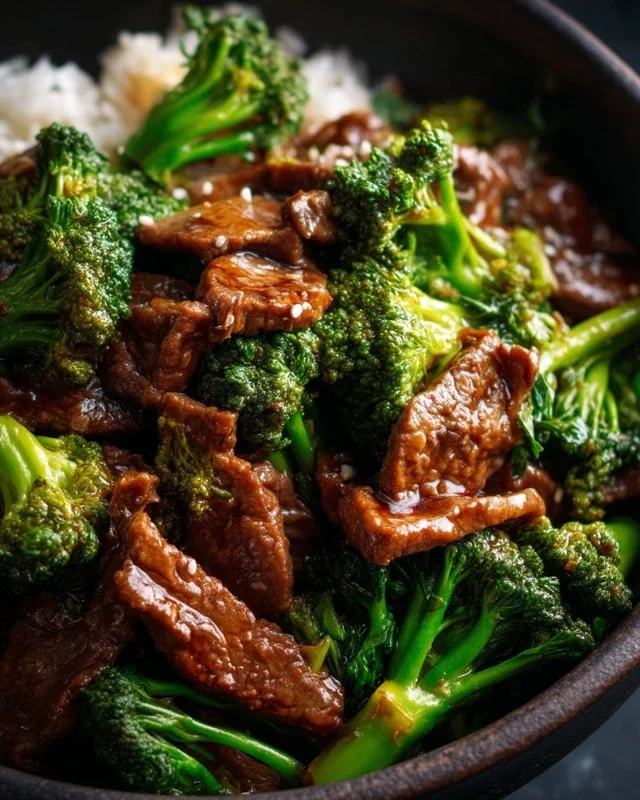
Chinese Beef and Broccoli (牛肉炒西兰花)
There’s a reason why Chinese Beef and Broccoli is a beloved classic. It’s a dish that perfectly balances tender, savory beef with crisp, vibrant broccoli, all brought together by a luscious, umami-rich sauce. It’s the kind of meal that’s satisfying enough for a weeknight dinner but impressive enough to serve to guests. Best of all, it’s surprisingly easy to make at home, allowing you to recreate that authentic takeout flavor in your own kitchen. Forget those greasy, overly sweet versions you might have encountered; this recipe focuses on fresh ingredients and a well-balanced sauce that lets the natural flavors shine. I’ve tweaked this recipe over time to achieve the perfect tenderness in the beef and a sauce that’s just the right amount of savory, tangy, and sweet.
Let’s get started with what you’ll need.
Ingredients:
Preparation and Marinating the Beef
The key to tender, flavorful beef in this dish lies in two crucial steps: slicing the steak against the grain and a quick marinade.
1. Slice the Beef: First, we need to prepare the beef. Take your flank steak (or your chosen cut) and place it in the freezer for about 15-20 minutes. This will firm it up, making it much easier to slice thinly. Once slightly firm, slice the steak as thinly as possible against the grain. This breaks up the tough muscle fibers, ensuring a tender bite. Aim for slices that are about 1/8 to 1/4 inch thick.
2. Marinate the Beef: In a medium bowl, combine the thinly sliced beef with 1 tablespoon of soy sauce, 1 tablespoon of peanut oil, and 1 tablespoon of cornstarch. If you’re using the baking soda (see footnote 1), add it now as well. The soy sauce adds flavor and helps tenderize, the oil creates a barrier to prevent the beef from sticking during cooking, and the cornstarch is essential for creating a velvety texture and helping the sauce cling to the beef. Mix everything thoroughly with your hands, ensuring each slice is coated. Let this marinate for at least 15 minutes at room temperature, or up to 30 minutes.
Making the Sauce
While the beef is marinating, we can prepare our delicious sauce. This is where the magic happens, creating that irresistible glaze.
3. Combine Sauce Ingredients: In a small bowl or liquid measuring cup, whisk together the chicken stock, Shaoxing vinegar, 2 tablespoons of soy sauce, dark soy sauce, brown sugar, and the remaining 1 tablespoon of cornstarch. Whisk until the cornstarch is fully dissolved and there are no lumps. The Shaoxing vinegar adds a distinctive subtle tang that is crucial for authentic Chinese flavor. Dark soy sauce is primarily for color and a deeper, slightly fermented flavor; if you don’t have it, you can omit it, but the color won’t be as rich. The brown sugar balances the savory and tangy notes. Set this sauce mixture aside.
Cooking the Dish
Now it’s time to bring everything together in a hot wok or large skillet for a quick and efficient stir-fry.
4. Cook the Beef: Heat a wok or a large, heavy-bottomed skillet over high heat until it’s smoking hot. Add 1 tablespoon of peanut oil and swirl to coat the pan. Carefully add the marinated beef in a single layer. Do not overcrowd the pan; if necessary, cook the beef in batches to ensure it sears properly rather than steams. Stir-fry the beef for about 1-2 minutes per side, just until it’s browned but still slightly pink in the center. The cornstarch coating will create a nice crust. Remove the beef from the pan and set it aside on a plate.
5. Stir-fry Broccoli and Aromatics: Add the remaining 1 tablespoon of peanut oil to the same hot wok (add a touch more if the pan looks dry). Add the minced garlic and gin extractger and stir-fry for about 30 seconds until fragrant, being careful not to burn them. Add the prepared broccoli florets to the wok. Stir-fry the broccoli for 2-3 minutes, until it turns bright green and is crisp-tender. If the broccoli seems a bit too firm, you can add a tablespoon or two of water and cover the wok for a minute to steam it slightly.
6. Combine and Thicken: Pour the prepared sauce mixture over the broccoli in the wok. Bring the sauce to a simmer, stirring constantly. The sauce will thicken quickly due to the cornstarch. Once the sauce has thickened to your desired consistency (it should coat the back of a spoon), return the cooked beef to the wok. Toss everything together gently to coat the beef and broccoli evenly with the glossy sauce. Cook for another minute, just until the beef is heated through.
Serve your delicious homemade Chinese Beef and Broccoli immediately over steamed rice for a complete and satisfying meal. Enjoy!
Footnote 1: Using baking soda in the marinade can help to further tenderize the beef, especially if you’re using a less tender cut. However, it can affect the flavor slightly if too much is used or if left on for too long. If you opt for it, a small amount is sufficient, and be sure to rinse the beef after marinating to avoid any residual baking soda taste.
Footnote 2: Dark soy sauce is different from regular soy sauce. It is thicker, darker, and has a less salty, slightly sweeter and richer flavor. It is primarily used for color and aroma. If you cannot find it, you can use an extra teaspoon of regular soy sauce but the color of the dish will be lighter.
Footnote 3: Peanut oil is traditional and adds a subtle nutty flavor. However, vegetable oil, canola oil, or even grapeseed oil are excellent alternatives and will work just as well.
Conclusion:
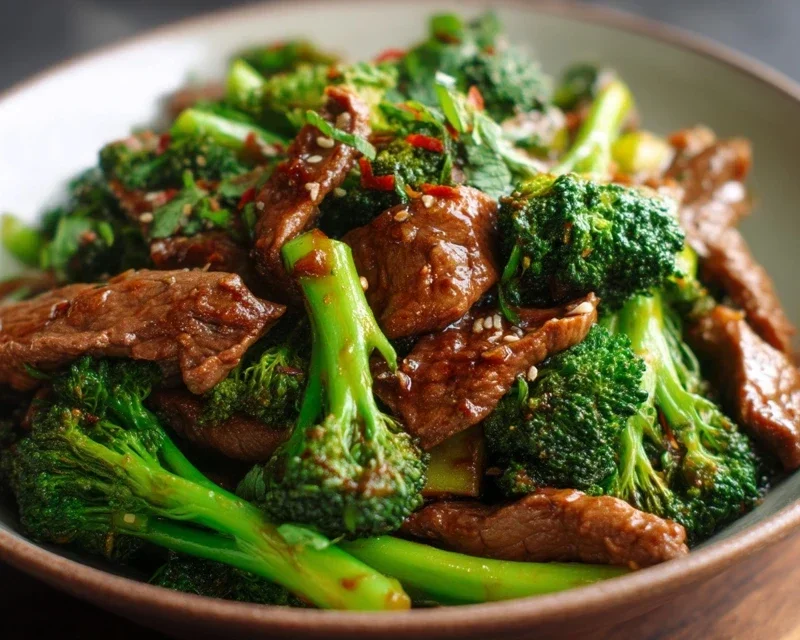
I hope you’re as excited to try this Chinese Beef and Broccoli (牛肉炒西兰花) recipe as I am! This dish is a true weeknight warrior, offering incredible flavor and satisfaction in under 30 minutes. The tender strips of beef, perfectly crisp-tender broccoli, and savory, umami-rich sauce come together harmoniously, making it a restaurant-quality meal you can easily recreate at home. It’s naturally gluten-free if you use tamari, making it accessible for many dietary needs. The beauty of this recipe lies in its simplicity and adaptability, allowing you to tailor it to your personal preferences.
I love serving this delicious Chinese Beef and Broccoli over fluffy steamed white rice or brown rice. For a more complete meal, consider adding some steamed dumplings or a light Asian-inspired salad on the side. If you’re feeling adventurous, why not try adding other vegetables like bell peppers, snap peas, or shiitake mushrooms? A pinch of red pepper flakes can also add a lovely kick if you enjoy a bit of heat.
Don’t be intimidated by the ingredient list; most of it is pantry staples or easily found in the Asian aisle of your grocery store. Give this fantastic Chinese Beef and Broccoli recipe a go – I promise you won’t be disappointed! It’s a fantastic way to bring the vibrant flavors of Chinese cuisine into your kitchen.
Frequently Asked Questions:
Can I use a different cut of beef?
Yes, absolutely! While flank steak or sirloin are ideal for their tenderness and ability to absorb marinade, you can also use thinly sliced skirt steak or even pre-cut stir-fry beef. Just be sure to slice the beef against the grain for maximum tenderness.
What can I use instead of oyster sauce?
If you can’t find oyster sauce or prefer a vegetarian option, you can use vegetarian oyster sauce (made from mushrooms) or a combination of soy sauce and a touch of hoisin sauce for a similar savory and slightly sweet flavor profile.
How can I make the beef more tender?
Besides slicing against the grain, marinating the beef is crucial. The cornstarch in the marinade not only helps create a velvety texture but also protects the beef from drying out during the high-heat cooking. For an extra tender result, you can also add a teaspoon of baking soda to the marinade, but be sure to rinse it off thoroughly before cooking.
Chinese Beef and Broccoli (牛肉炒西兰花)
A classic Chinese stir-fry featuring tender beef and crisp broccoli in a savory sauce.
Ingredients
-
1 lb flank steak (, skirt steak, or other cut)
-
1 tablespoon soy sauce
-
1 tablespoon peanut oil ((or vegetable oil))
-
1 tablespoon cornstarch
-
1/2 teaspoon baking soda ((Optional))
-
1/2 cup chicken stock ((or beef stock))
-
2 tablespoons Shaoxing vinegar ((or dry sherry vinegar))
-
2 tablespoons soy sauce
-
1 teaspoon dark soy sauce
-
2 teaspoons brown sugar ((or white sugar))
-
1 tablespoon cornstarch
-
1 head broccoli (, cut to bite-size florets)
-
1 tablespoon peanut oil (or vegetable oil)
-
3 garlic cloves (, minced)
-
2 teaspoons gin extractger (, minced)
Instructions
-
Step 1
Slice beef thinly against the grain. In a bowl, toss beef with 1 tablespoon soy sauce, 1 tablespoon peanut oil, 1 tablespoon cornstarch, and baking soda (if using). Let marinate for at least 15 minutes. -
Step 2
In a small bowl, whisk together chicken stock, Shaoxing vinegar, 2 tablespoons soy sauce, dark soy sauce, and brown sugar. In a separate small bowl, mix 1 tablespoon cornstarch with 2 tablespoons water to create a slurry. Set both aside. -
Step 3
Blanch broccoli florets in boiling water for 1-2 minutes until bright green and slightly tender. Drain and set aside. -
Step 4
Heat 1 tablespoon peanut oil in a wok or large skillet over high heat until shimmering. Add marinated beef in a single layer and stir-fry until browned on all sides, about 2-3 minutes. Remove beef from the wok and set aside. -
Step 5
Add minced garlic and ginger to the wok and stir-fry for about 30 seconds until fragrant. -
Step 6
Pour the prepared sauce mixture into the wok and bring to a simmer. Stir in the cornstarch slurry and cook, stirring constantly, until the sauce thickens, about 1 minute. -
Step 7
Return the browned beef and blanched broccoli to the wok. Toss to coat evenly with the sauce. Cook for another 1-2 minutes until everything is heated through.
Important Information
Nutrition Facts (Per Serving)
It is important to consider this information as approximate and not to use it as definitive health advice.
Allergy Information
Please check ingredients for potential allergens and consult a health professional if in doubt.