Nut-Free Pesto Recipe – Delicious & Easy Allergy-Friendly Flavor
Nut Free Pesto opens up a world of vibrant, herbaceous flavor to those who might otherwise miss out. For so long, the deliciousness of pesto was off-limits for many due to nut allergies, leaving a significant gap in our culinary repertoire. But no more! This delightful twist on a classic preserves all the bright, garlicky, cheesy goodness we adore, while thoughtfully omitting the pine nuts. Imagin extracte coating your favorite pasta, spreading it on a warm baguette, or swirling it into a creamy soup – all without a worry. This isn’t just a recipe; it’s an invitation to experience the magic of authentic pesto flavor, made accessible and enjoyable for everyone. Get ready to fall in love with Nut Free Pesto all over again, or for the very first time!
Nut Free Pesto: A Creamy, Dreamy Delight for Everyone
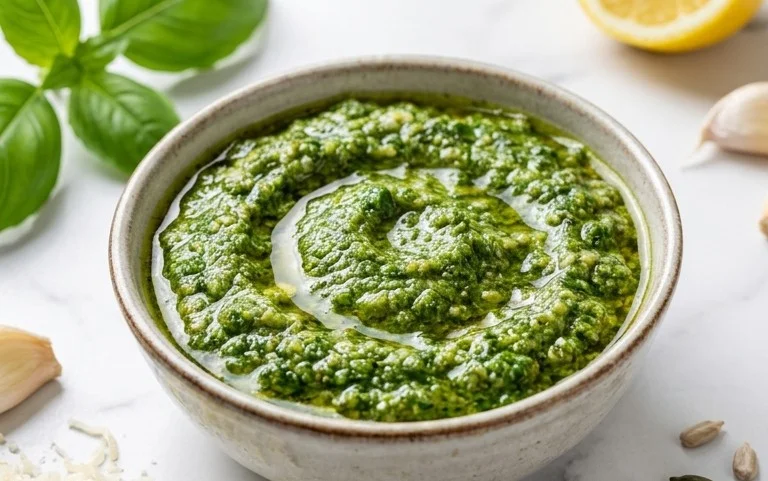
For many of us, pesto conjures up images of vibrant green pasta dishes, a fragrant swirl of basil, garlic, and pine nuts. But for those with nut allergies, this classic Italian sauce has always been off-limits. That’s where our nut-free pesto recipe comes in. We’ve created a wonderfully creamy, intensely flavorful pesto that uses toasted sunflower seeds instead of pine nuts, delivering all the classic pesto goodness without any of the allergenic concerns. This recipe is perfect for school lunches, gatherings with friends who have allergies, or simply for anyone who wants a delicious and versatile sauce that everyone can enjoy. The beauty of pesto is its simplicity, and this nut-free version is no exception. With just a handful of fresh ingredients, you can whip up a batch of this versatile condiment in minutes, ready to elevate everything from pasta to sandwiches to grilled vegetables.
Ingredients:
Let’s Get Pesto-Making!
Now that you’ve gathered your ingredients, it’s time to transform them into a glorious, nut-free pesto. The process is remarkably straightforward, and the results are incredibly rewarding. Don’t be intimidated by the idea of making your own; it’s truly one of the easiest and most satisfying homemade sauces you can create.
Preparing the Basil and Garlic:
First, we need to get our star ingredients ready. For the basil, ensure your leaves are fresh and vibrant. Give them a quick rinse under cool water and then gently pat them dry with a clean kitchen towel or use a salad spinner. Excess water can dilute the flavor and make the pesto a bit too watery. Once dry, lightly pack the basil leaves into your measuring cup to ensure you have the correct amount – about 2 cups. For the garlic, simply peel the papery skin from the two cloves. If you’re new to using raw garlic, you can start with one clove and add more to taste later, as its potency can vary.
Combining the Greens and Aromatics:
Now, it’s time to introduce our basil and garlic to the food processor or blender. Place the packed basil leaves into the bowl of your food processor. Add the peeled garlic cloves on top. If you’ve decided to toast your sunflower seeds, now is the perfect time to give them a quick toast. Spread them on a dry skillet over medium heat and toast for 3-5 minutes, stirring frequently, until they are fragrant and lightly golden. Be careful not to burn them, as burnt seeds can impart a bitter flavor. Once toasted, let them cool slightly before adding them to the food processor with the basil and garlic. The toasted seeds will add a wonderful nutty undertone and a slight crunch that mimics the texture of traditional pesto.
Adding the Richness and Seasoning:
With our fresh greens, aromatics, and toasted seeds in the processor, it’s time to add the creamy and savory elements. Add the freshly grated Parmesan cheese to the bowl. Using freshly grated cheese makes a noticeable difference in texture and flavor compared to pre-shredded varieties. Now, add the salt and pepper. This is a good starting point for seasoning; you can always adjust it to your preference after the pesto is made. Begin extract to pulse the food processor. You want to break down the basil and garlic into smaller pieces. Don’t blend continuously at this stage; short pulses will give you more control over the texture.
Emulsifying with Olive Oil:
This is where the magic truly happens and our pesto comes together. With the food processor running on a low speed, slowly drizzle in the olive oil through the feed tube. Continue to process until the mixture starts to emulsify and forms a smooth, thick paste. You’re looking for a consistency that is spreadable but not runny. The olive oil binds all the ingredients together and creates that luscious, smooth texture we associate with pesto. You might need to scrape down the sides of the bowl a couple of times with a spatula to ensure all the ingredients are incorporated evenly. If the pesto seems a bit too thick for your liking, you can add another tablespoon of olive oil, but do so gradually until you reach your desired consistency.
Taste and Adjust:
Once the pesto is a beautiful, vibrant green and has reached a smooth, luscious consistency, it’s time for the most important step: tasting and adjusting the seasoning. Stop the food processor and carefully taste a small amount of the pesto. Does it need more salt? A little more pepper? Perhaps you’d like a bolder garlic flavor? Now is your chance to fine-tune it. Add a pinch more salt or pepper, or even another tiny bit of garlic if you’re feeling adventurous, and pulse again briefly to combine. Remember that the flavors will meld even further as the pesto sits, so it’s better to under-season slightly at first and then adjust. Once you’re happy with the flavor profile, your delicious nut-free pesto is ready to be enjoyed!
Serving Suggestions and Storage
This nut-free pesto is incredibly versatile. Toss it with your favorite pasta for a quick and healthy meal. Spread it on sandwiches or wraps for an extra layer of flavor. It’s also fantastic dolloped on grilled chicken, fish, or vegetables. You can even stir it into soups or use it as a dip for breadsticks. To store, transfer the pesto to an airtight container. Pour a thin layer of olive oil over the top to prevent oxidation and maintain its vibrant green color. It will keep in the refrigerator for up to a week. For longer storage, you can freeze it in ice cube trays and then transfer the frozen pesto cubes to a freezer bag for up to three months. Enjoy this delicious, allergy-friendly twist on a classic!
Conclusion:
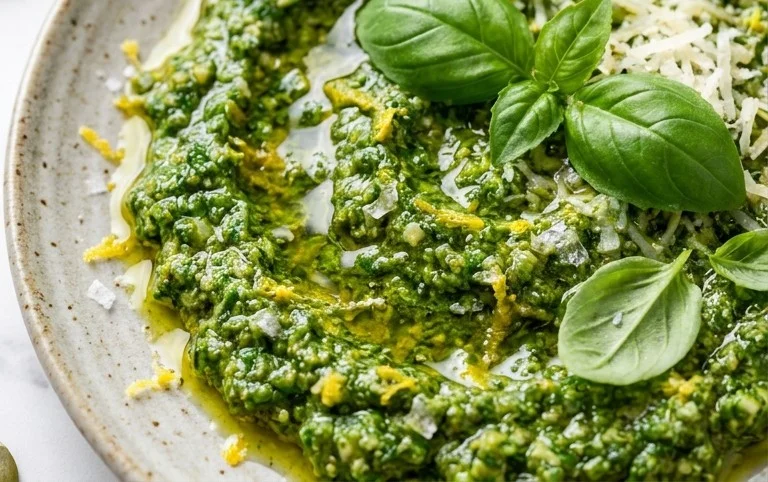
I hope you’re as excited as I am to try this delicious Nut-Free Pesto! It’s a fantastic alternative for those with nut allergies or anyone looking for a fresh, vibrant twist on a classic. The beauty of this recipe lies in its simplicity and adaptability, allowing you to enjoy a truly satisfying pesto without any of the common allergens. We’ve packed it with flavor from fresh basil, garlic, and Parmesan, and you’ll be amazed at how easily it comes together. This nut-free pesto is perfect for a quick weeknight meal or to impress guests with its vibrant color and robust taste.
The serving possibilities are truly endless! Toss it with your favorite pasta for an effortless main course, spread it on sandwiches or wraps for a flavor boost, dollop it onto grilled chicken or fish, or even stir it into scrambled eggs for a gourmet breakfast. Don’t be afraid to experiment with different herbs and seeds to create your own signature version. Give this nut-free pesto a try; I promise you won’t be disappointed!
Frequently Asked Questions:
Can I freeze this nut-free pesto?
Absolutely! This nut-free pesto freezes beautifully. Simply spoon it into an ice cube tray and freeze until solid. Once frozen, transfer the pesto cubes to a freezer-safe bag or container for easy portioning. It should keep well for up to 3-4 months. Thaw overnight in the refrigerator or gently warm it on the stovetop.
What seeds can I use instead of pine nuts?
This nut-free pesto recipe is incredibly versatile. Sunflower seeds are an excellent and readily available substitute for pine nuts, offering a similar texture and a mild flavor that doesn’t overpower the basil. Pumpkin seeds (pepitas) are another fantastic option, providing a slightly earthier taste and a vibrant green hue. You can even try a blend of different seeds for a more complex flavor profile!
Nut-Free Pesto
A vibrant and flavorful pesto recipe made without nuts, perfect for those with allergies or for a lighter alternative.
Ingredients
-
2 cups fresh basil
-
2 garlic cloves
-
1/2 cup freshly grated Parmesan cheese
-
1/4 cup olive oil
-
1/4 teaspoon salt
-
1/8 teaspoon pepper
Instructions
-
Step 1
Wash and dry the fresh basil leaves thoroughly. -
Step 2
Peel and roughly chop the garlic cloves. -
Step 3
Combine the basil, garlic, Parmesan cheese, salt, and pepper in a food processor. -
Step 4
Pulse the ingredients until they are finely chopped. -
Step 5
With the food processor running, slowly drizzle in the olive oil until the pesto is smooth and well combined. -
Step 6
Taste and adjust seasoning if necessary.
Important Information
Nutrition Facts (Per Serving)
It is important to consider this information as approximate and not to use it as definitive health advice.
Allergy Information
Please check ingredients for potential allergens and consult a health professional if in doubt.