Best Chimichurri Sauce Recipe- Fresh & Flavorful
Chimichurri sauce is more than just a condiment; it’s a vibrant explosion of fresh herbs and zesty flavor that can elevate any dish from ordinary to extraordinary. If you’ve ever enjoyed a perfectly grilled steak, a smoky piece of chicken, or even a simple roasted vegetable that sang with bright, herbaceous notes, chances are you’ve encountered the magic of chimichurri. This Argentinian staple, with its verdant hue and invigorating aroma, is loved for its incredible versatility and the way it cuts through richness, adding a much-needed punch of acidity and freshness. What truly makes chimichurri sauce special is its simple yet potent combination of parsley, oregano, garlic, vinegar, and olive oil – a symphony of ingredients that come together to create something truly unforgettable. Get ready to unlock the secret to this incredible condiment and discover how easily you can bring a taste of South America to your own kitchen.
Chimichurri Sauce: The Vibrant Argentinean Condiment You Need
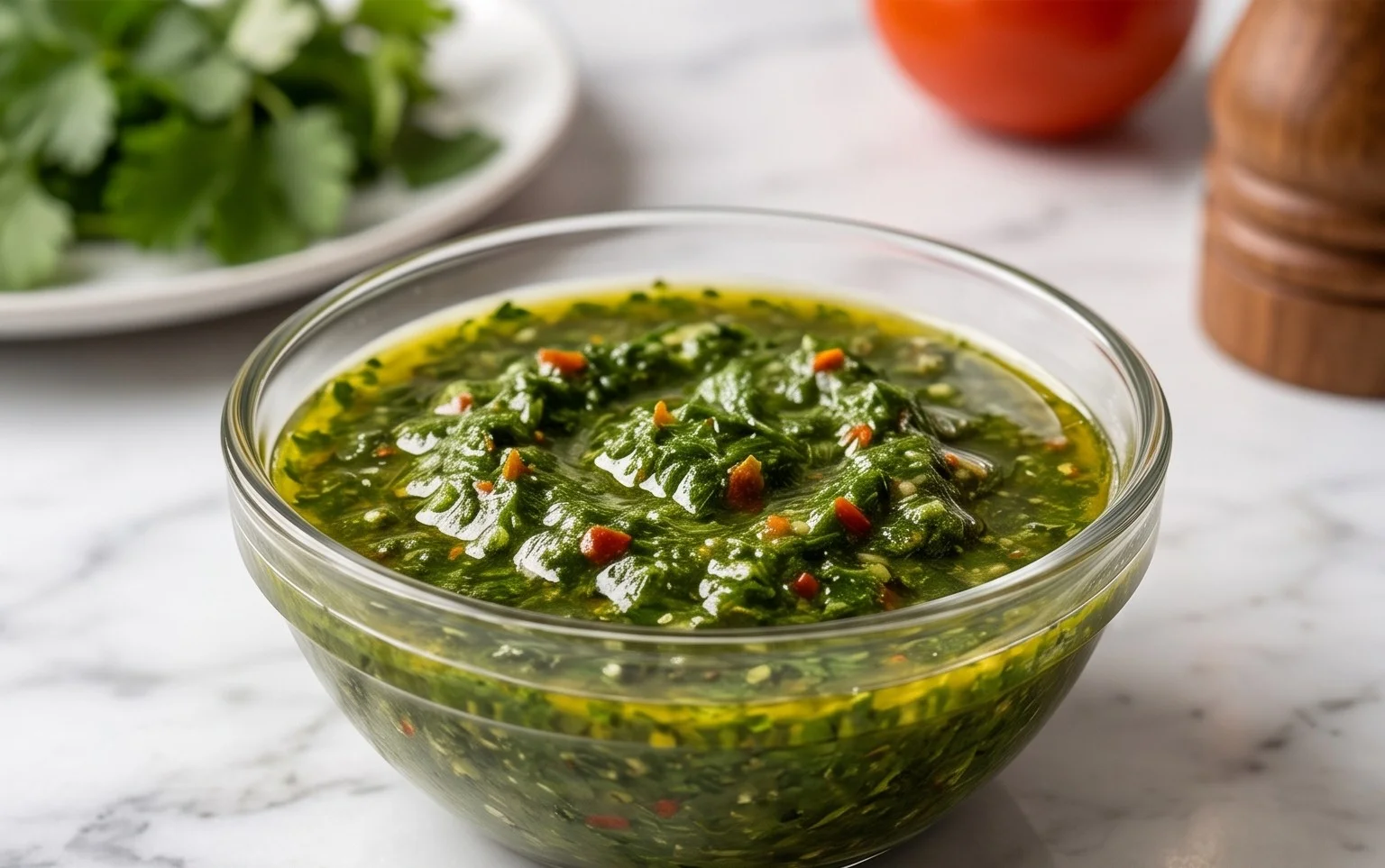
There’s a reason why chimichurri sauce has achieved cult status among food lovers. This bright, herbaceous, and slightly zesty condiment hails from Argentina and is the perfect accompaniment to grilled meats, but its versatility extends far beyond. Imagin extracte a vibrant green sauce bursting with fresh parsley, cilantro, and a hint of garlic and vinegar, all brought together with the richness of olive oil. It’s not just a sauce; it’s an experience. Making your own chimichurri is incredibly simple, requiring no cooking at all, just a little chopping and whisking. The result is a superior flavor that store-bought versions simply can’t replicate. This recipe focuses on fresh, vibrant ingredients to create a truly authentic and delicious chimichurri that will elevate any dish it graces. Whether you’re a grilling enthusiast or just looking for a flavorful way to liven up your meals, this chimichurri recipe is a game-changer.
Ingredients:
*Note on Parsley: For the best flavor and texture, use flat-leaf (Italian) parsley, as it has a more robust flavor than curly parsley. Make sure it’s very fresh and vibrant green.
**Note on Olive Oil: Extra virgin extract olive oil is highly recommended here as its fruity notes will complement the fresh herbs beautifully.
Crafting Your Chimichurri: Step-by-Step
The beauty of chimichurri lies in its simplicity. There are no complex techniques involved, just a focus on fresh ingredients and a balanced flavor profile. Follow these steps to create a truly exceptional sauce.
1. Prepare Your Herbs and Aromatics: Begin extract by thoroughly washing and drying your fresh parsley and cilantro. It’s crucial to ensure they are completely dry to prevent the sauce from becoming watery. Finely chop the parsley and cilantro. Aim for a fine dice, as this will create a better texture for the sauce. Next, finely mince the red onion (or shallot) and the garlic cloves. The goal here is to have all your ingredients chopped as uniformly as possible. If you prefer a less pungent onion flavor, you can mince the red onion very finely and then rinse it under cold water for about 30 seconds, then pat it dry. This step will mellow its sharpness.
2. Combine the Dry Ingredients: In a medium-sized mixing bowl, combine the finely chopped parsley, cilantro, and oregano. If you are using dried oregano, add it now. Add the minced red onion (or shallot) and the minced garlic to the bowl. Also, add the salt and the red pepper flakes, if you are using them. Gently toss these ingredients together to distribute them evenly. This initial mixing helps to start releasing the flavors from the herbs and aromatics.
3. Introduce the Acids: Pour the red grape juice vinegar and fresh lemon juice over the herb and aromatic mixture. The acidity from the vinegar and lemon juice is key to chimichurri’s bright and tangy character. It also helps to tenderize the herbs slightly and meld the flavors. Stir everything together well, ensuring that the liquids coat all the chopped ingredients. Allow this mixture to sit for about 5 to 10 minutes. This resting period is important as it allows the flavors to begin extract to meld and develop, giving the garlic and onion a chance to soften in the acidic liquid.
4. Emulsify with Olive Oil: Now it’s time to add the olive oil. Slowly drizzle the olive oil into the bowl while continuously whisking or stirring the herb mixture. The goal is to create a well-emulsified sauce, where the oil and the acidic liquid are suspended together rather than separating. Continue whisking until the sauce has a slightly thickened, uniform consistency. Don’t be discouraged if it doesn’t become as thick as a mayonnaise-based sauce; chimichurri is meant to be a looser, more vibrant dressing. Taste the sauce at this point and adjust the salt if necessary. You can also add more red pepper flakes if you like it spicier.
5. Rest and Serve: Once you are happy with the flavor and consistency, cover the bowl and let the chimichurri sauce rest for at least 30 minutes at room temperature, or ideally, refrigerate it for at least an hour. This resting period is crucial for allowing all the flavors to fully develop and marry. The longer it sits, the more the flavors will deepen. Before serving, give it another good stir, as the ingredients may settle.
Serving Suggestions and Variations
Chimichurri is incredibly versatile. It’s traditionally served with grilled steak, beef, or chicken, where its brightness cuts through the richness of the meat. However, don’t limit yourself! Drizzle it over roasted vegetables, use it as a marinade for fish, or even stir it into scrambled eggs. For a different flavor profile, you can experiment with different types of vinegars, such as sherry vinegar vinegar or white grape juice vinegar, although red grape juice vinegar provides a lovely subtle sweetness. Some variations also include a pinch of cumin or a touch of dried chili for added warmth. Enjoy this vibrant and delicious sauce!
Conclusion:
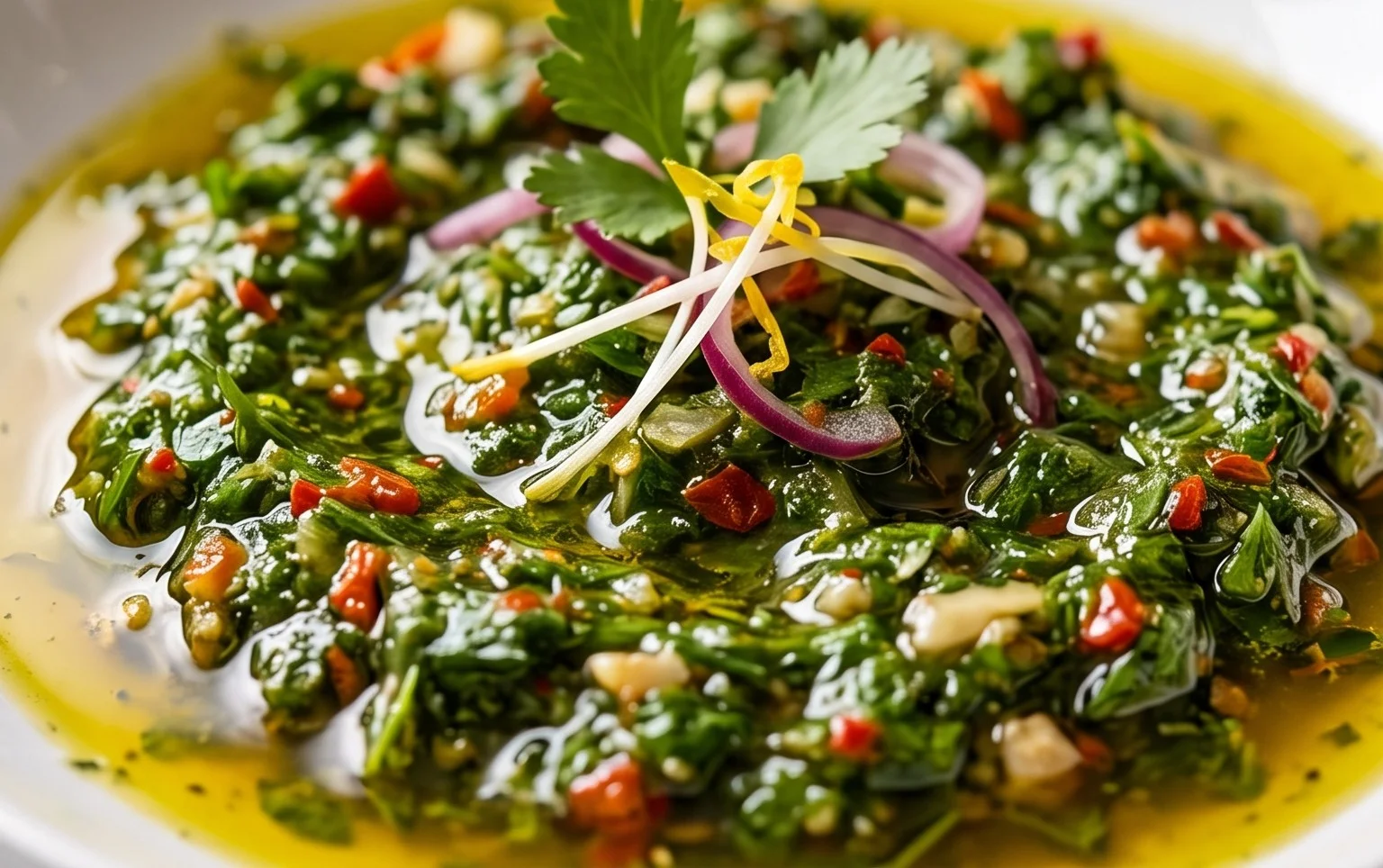
I hope you’re as excited as I am about this incredible chimichurri sauce recipe! It’s a vibrant, herbaceous, and wonderfully versatile sauce that can truly elevate any dish. The beauty of this recipe lies in its simplicity and the burst of fresh flavor it provides. It’s incredibly easy to whip up, requiring just a few fresh ingredients and a quick chop or blend. Whether you’re grilling steak, chicken, or fish, or even looking to add a zesty kick to roasted vegetables or sandwiches, this chimichurri is your new secret weapon. Don’t be afraid to experiment with serving it alongside grilled meats, as a dip for crispy empanadas, or even drizzled over a simple salad. I highly encourage you to give this recipe a try; you’ll be amazed at how such a simple sauce can make such a big difference!
Frequently Asked Questions:
Can I make this chimichurri sauce ahead of time?
Absolutely! Chimichurri sauce actually tastes even better when it has had a chance to sit for at least an hour, or even overnight, in the refrigerator. This allows the flavors to meld beautifully. Store it in an airtight container in the fridge for up to a week.
What are some good variations on this chimichurri recipe?
You can easily customize this chimichurri to your liking! Try adding a pinch of red pepper flakes for a bit of heat, or substitute some of the parsley with cilantro for a different herbaceous profile. Some people also like to add a touch of lemon zest for extra brightness, or even a bit of finely chopped shallot for a milder onion flavor.
How do I store leftover chimichurri sauce?
Leftover chimichurri sauce can be stored in an airtight container in the refrigerator for up to one week. The oil will solidify slightly when chilled, but it will soften at room temperature. You can also freeze chimichurri in ice cube trays for longer storage; once frozen, transfer the cubes to a freezer bag.
Chimichurri Sauce
A vibrant and herbaceous Argentinian sauce perfect for grilled meats and vegetables. This recipe offers a non-alcoholic twist using red grape juice vinegar.
Ingredients
-
1 1/2 cups well packed (42g) fresh parsley
-
1/2 cup well packed (20g) fresh cilantro
-
1/4 cup (9g) fresh oregano
-
1/4 small red onion
-
3 garlic cloves
-
3 Tbsp red grape juice vinegar
-
2 Tbsp fresh lemon juice
-
1/2 tsp salt
-
1/4 tsp red pepper flakes
-
3/4 cup olive oil
Instructions
-
Step 1
Finely chop the fresh parsley, cilantro, and oregano. You can use a food processor for a quicker method, but be careful not to over-process into a paste. -
Step 2
Finely mince the red onion (or shallot) and the garlic cloves. -
Step 3
In a medium bowl, combine the chopped herbs, minced red onion, minced garlic, red grape juice vinegar, lemon juice, salt, and red pepper flakes (if using). -
Step 4
Whisk together the ingredients until well combined. This will create a thick paste. -
Step 5
Slowly drizzle in the olive oil while whisking continuously until the sauce is emulsified and has a pourable consistency. -
Step 6
Taste and adjust seasoning with more salt or red pepper flakes as needed. -
Step 7
For best flavor, let the chimichurri sauce sit for at least 15-30 minutes at room temperature before serving to allow the flavors to meld. Can be refrigerated for up to a week.
Important Information
Nutrition Facts (Per Serving)
It is important to consider this information as approximate and not to use it as definitive health advice.
Allergy Information
Please check ingredients for potential allergens and consult a health professional if in doubt.