Easy Miso Soup Recipe- Delicious & Quick
Miso Soup Recipe: Your Gateway to Umami Bliss
Dive into the comforting embrace of a perfectly brewed bowl of miso soup!
There’s something undeniably magical about miso soup. It’s more than just a starter; it’s a warm hug, a moment of quiet reflection, and a flavor explosion all rolled into one. For countless people worldwide, this humble yet profound dish is a beloved staple, a familiar taste that evokes feelings of home and well-being. What makes this simple soup so special? It’s the harmonious dance of dashi broth, the earthy depth of miso paste, and the delicate additions that transform it into a symphony of savory goodness. We’re talking about that irresistible umami – that fifth taste that lingers on your palate and leaves you craving more. Whether you’re seeking a light appetizer, a nourishing midday meal, or a soothing end to your day, our easy-to-follow miso soup recipe will guide you to authentic, restaurant-quality results right in your own kitchen. Get ready to unlock the secrets to creating this iconic dish!
Miso Soup Recipe
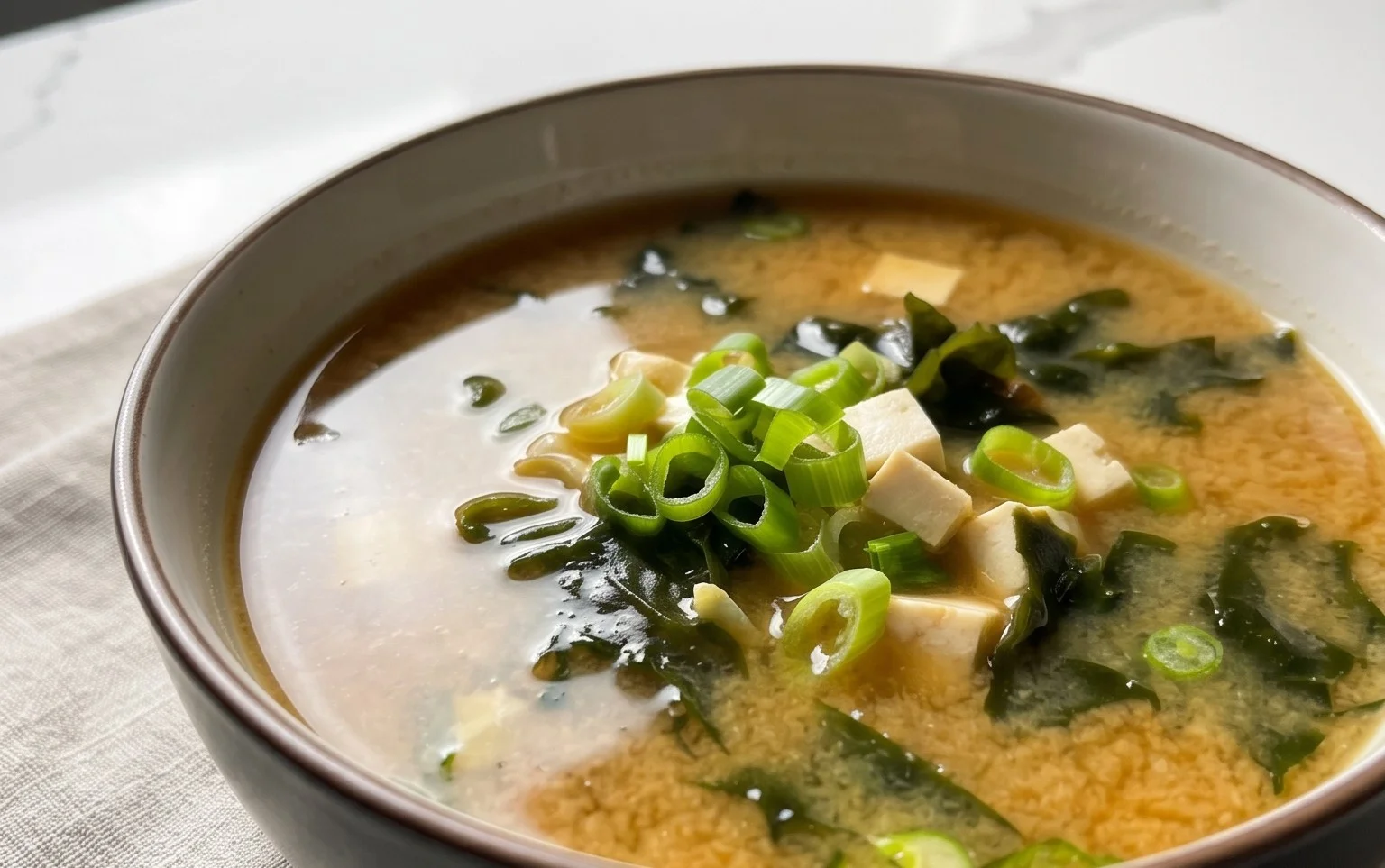
Miso soup is a cornerstone of Japanese cuisine, a comforting and deeply flavorful broth that can be enjoyed at any time of day. It’s incredibly versatile, serving as a light appetizer, a side dish, or even a base for more substantial meals. What I love most about making miso soup at home is its simplicity and the ability to customize it to my liking. It’s a dish that feels both nourishing and incredibly satisfying, with a rich umami depth that’s hard to replicate. This recipe focuses on the classic, essential elements that make miso soup so beloved.
Ingredients:
Cooking Instructions:
Let’s dive into creating this delightful soup. The beauty of miso soup is that it comes together very quickly, making it perfect for a weeknight meal or a last-minute starter.
Step 1: Prepare the Dashi
The foundation of any good miso soup is the dashi, a Japanese stock. While you can buy instant dashi powder, I find that using a good quality kombu (kelp) and katsuobushi (bonito flakes) yields a far superior flavor. For this recipe, we’re assuming you have your 2½ cups of dashi ready. If you’re making it from scratch, you’ll typically steep a piece of kombu in water until just before boiling, then remove it and add katsuobushi, simmering for a minute or two before straining. This process infuses the water with a delicate, savory essence. Make sure your dashi is warm but not boiling when you begin extract this next stage.
Step 2: Rehydrate the Seaweed
The dried seaweed, often wakame, needs a little bit of hydration before it goes into the soup. In a small bowl, place your heaping tablespoon of dried seaweed. Then, add a splash of warm water to cover it. You’ll notice it quickly expands and softens, becoming a beautiful green and slightly gelatinous texture. This process usually takes just a few minutes. Once rehydrated, gently squeeze out any excess water before adding it to the dashi. This step ensures the seaweed is tender and pleasant to eat within the soup, rather than being tough or overly chewy.
Step 3: Warm the Tofu and Seaweed in the Dashi
Now, let’s bring the components together. Gently pour your prepared dashi into a medium saucepan. Add the rehydrated seaweed to the saucepan. Next, carefully add your silken tofu, which should be cut into small, bite-sized pieces. I like to cut mine into roughly ½-inch cubes, which makes them easy to scoop with a spoon and adds a lovely textural contrast to the soup. Heat the mixture over medium-low heat. The goal here is to warm everything through gently. You do not want to boil the dashi once the tofu and seaweed are in it, as boiling can alter the delicate flavor and texture of both. Stir occasionally to ensure even heating.
Step 4: Incorporate the Miso Paste
This is the most crucial step for achieving that signature miso flavor. You’ll want to temper the miso paste before adding it directly to the hot dashi. To do this, take about ½ cup of the warm dashi from the saucepan and pour it into a separate small bowl. Add your 2 to 2½ tablespoons of miso paste to this bowl. I recommend starting with 2 tablespoons and adding more to taste, as miso pastes can vary significantly in their saltiness and intensity. Whisk the miso paste into the warm dashi in the bowl until it’s completely dissolved and no lumps remain. This creates a smooth, homogenous mixture, which is essential for distributing the miso flavor evenly throughout the soup and preventing clumps.
Step 5: Combine and Serve
Once the miso paste is fully dissolved in the small bowl, gently pour this miso mixture back into the saucepan with the rest of the dashi, tofu, and seaweed. Stir everything together thoroughly to ensure the miso is well incorporated. At this point, it’s important to remember that you should never boil miso soup after the miso paste has been added. Boiling can degrade the delicate flavors and beneficial probiotics present in the miso. Instead, continue to heat the soup gently over low heat, just until it is warmed through and steaming. Taste and adjust the seasoning if needed, adding a little more miso paste if you desire a stronger flavor. Ladle the hot miso soup into individual bowls. Garnish generously with your chopped scallions. The fresh, bright flavor of the scallions provides a lovely counterpoint to the rich, savory broth. Serve immediately and enjoy this incredibly simple yet deeply satisfying bowl of comfort.
Conclusion:
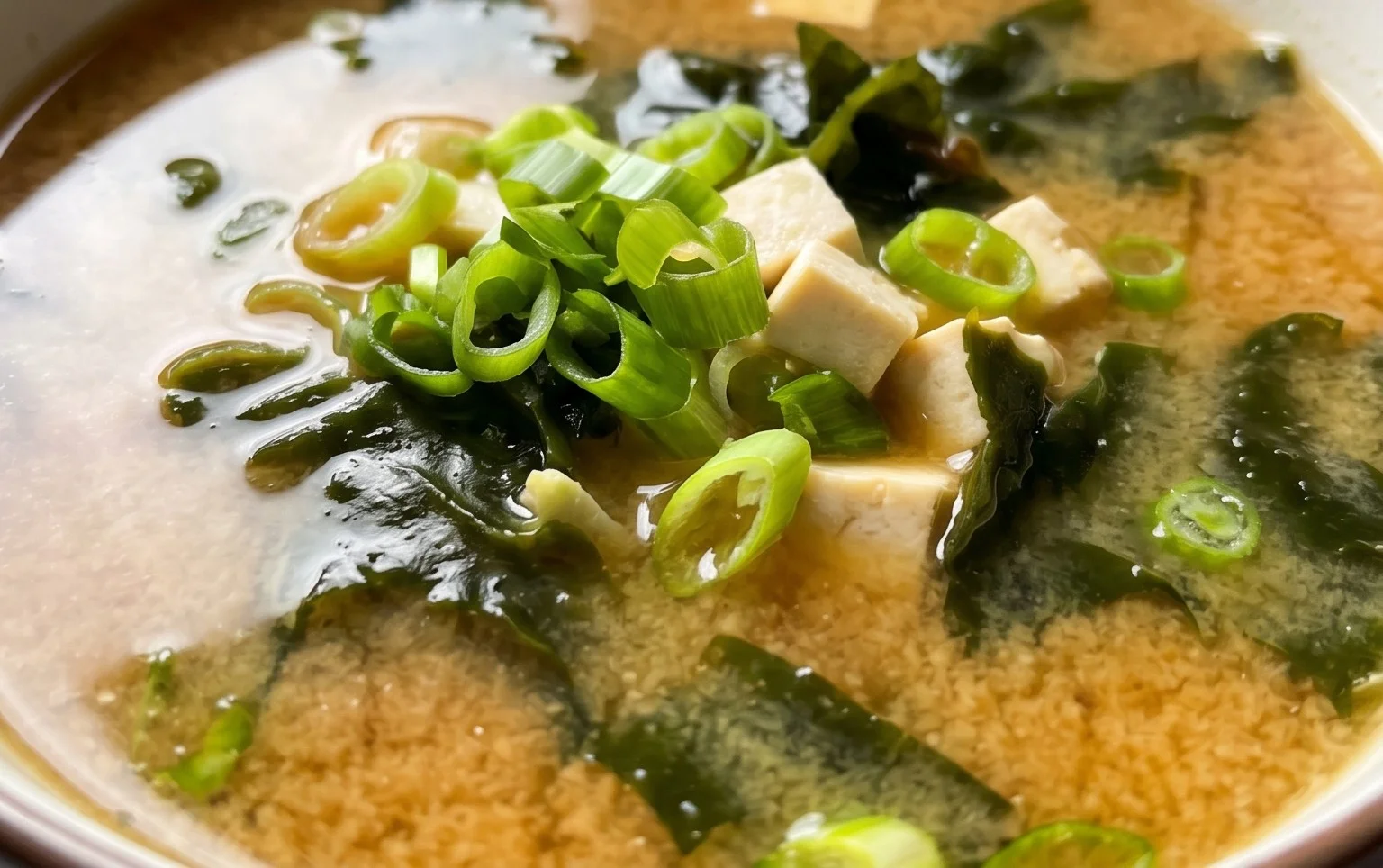
There you have it – a simple yet incredibly satisfying Miso Soup recipe that’s perfect for any occasion! We’ve explored how easy it is to create this comforting and flavorful Japanese staple right in your own kitchen. Its versatility makes it a fantastic starter, a light lunch, or a nourishing accompaniment to any meal. The delicate umami flavor of the miso, combined with the subtle brininess of seaweed and the tender textures of tofu and scallions, creates a harmonious blend that’s both warming and revitalizing. Don’t be afraid to experiment with different additions to truly make this Miso Soup recipe your own!
Feel free to serve it as is, or get creative! It pairs beautifully with sushi, rice bowls, or even alongside grilled fish. For a more substantial meal, consider adding cooked ramen noodles, shredded chicken, or extra vegetables like spinach or shiitake mushrooms. The possibilities are truly endless.
I highly encourage you to give this Miso Soup recipe a try. You’ll be amazed at how quickly you can whip up something so delicious and authentically flavored. It’s a wonderful way to explore Japanese cuisine and enjoy a healthy, quick, and deeply satisfying dish. So grab your ingredients and get cooking – I promise you won’t regret it!
Frequently Asked Questions:
What kind of miso paste should I use for this Miso Soup recipe?
For this recipe, you can use red, white, or awase (mixed) miso paste. White miso (shiro miso) is milder and sweeter, ideal for a lighter flavor. Red miso (aka miso) is more robust and salty. Awase miso offers a balanced taste. Experiment to find your preference!
Can I make this Miso Soup recipe vegan?
Absolutely! This Miso Soup recipe is naturally vegan if you use a plant-based dashi or simply water. Ensure your miso paste does not contain any animal products. This makes it a wonderful option for everyone to enjoy.
How do I store leftover Miso Soup?
Store any leftover Miso Soup in an airtight container in the refrigerator for up to 2-3 days. It’s best to store the soup base separately from any delicate additions like tofu or scallions, and re-add them when reheating to maintain their texture. Reheat gently on the stovetop, avoiding a rolling boil to preserve the miso’s flavor and beneficial properties.
Miso Soup Recipe
A simple and authentic Japanese miso soup.
Ingredients
-
2½ cups Dashi
-
1 heaping tablespoon dried seaweed
-
4 oz silken tofu (cut into small pieces)
-
2-2½ tablespoons white miso paste (or to taste)
-
1 tablespoon scallion (chopped)
Instructions
-
Step 1
Soak the dried seaweed in a small bowl of water for about 5 minutes until rehydrated. Drain well. -
Step 2
In a medium saucepan, heat the Dashi over medium heat until simmering. -
Step 3
Add the rehydrated seaweed to the simmering Dashi and cook for 1-2 minutes. -
Step 4
Reduce the heat to low. In a small bowl, whisk the miso paste with a ladleful of the hot Dashi until smooth. This prevents the miso from clumping. -
Step 5
Gently stir the dissolved miso paste back into the saucepan. Do not boil the soup after adding miso, as it can diminish its flavor and aroma. -
Step 6
Add the silken tofu pieces and heat through for about 1 minute. -
Step 7
Ladle the miso soup into bowls and garnish with chopped scallions before serving.
Important Information
Nutrition Facts (Per Serving)
It is important to consider this information as approximate and not to use it as definitive health advice.
Allergy Information
Please check ingredients for potential allergens and consult a health professional if in doubt.