Perfect Ramen Eggs Ajitama – Easy Soy Marinated Eggs
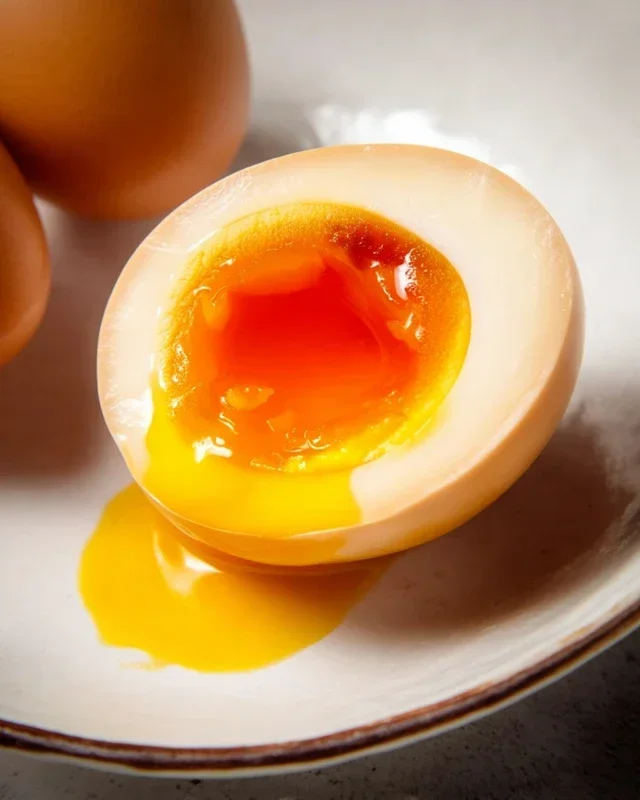
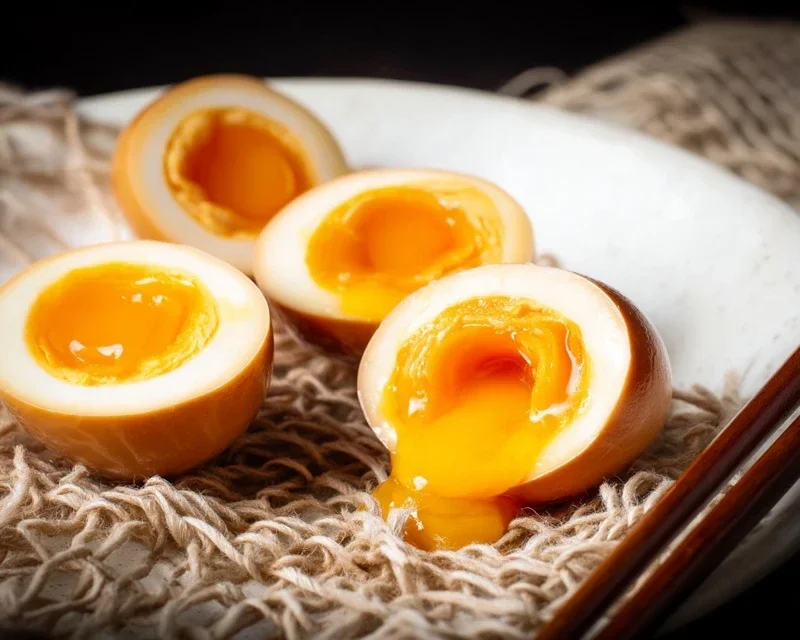
Ramen eggs, or ajitama, are more than just an ingredient; they are the golden heart of a perfect ramen bowl. These marinated soft-boiled eggs are a culinary masterpiece, transforming a simple egg into a flavor bomb that elevates any noodle dish. Imagin extracte that moment when you slice into a perfectly cooked ajitama, revealing a custardy, almost molten yolk, glistening with the savory marinade. It’s that irresistible combination of texture and taste that makes people obsess over ramen eggs. What truly sets these ramen eggs apart is the alchemy of the marinade – a symphony of soy sauce, non-alcoholic mirin, non-alcoholic sake, and often a hint of garlic and gin extractger – that infuses the egg with layers of umami and a subtle sweetness. It’s a simple preparation that yields extraordinary results, turning an ordinary meal into an extraordinary experience. Let’s dive into how we can create these delightful ramen eggs right in our own kitchens.
Ramen Eggs (Ajitama)
There’s something truly magical about a perfectly cooked ramen egg, often referred to as Ajitama. That glossy, custardy yolk, infused with savory, sweet, and slightly tangy flavors, can elevate any bowl of ramen from delicious to sublime. They’re not just a topping; they’re an experience. While they might seem intimidating to make, I promise you, they are surprisingly simple. The key lies in a precise cooking method for the eggs and a flavorful marinade. Once you master this, you’ll be adding these beauties to more than just your ramen – think avocado toast, rice bowls, or even a simple salad. Let’s dive into how to create these irresistible flavor bombs.
Ingredients:
Note: For the best results, especially when aiming for that perfect jammy yolk, I highly recommend using eggs that are about a week old. Fresher eggs can be a little trickier to peel perfectly after boiling, as the membrane sticks more stubbornly to the whites. If you only have very fresh eggs, don’t worry too much, just be extra gentle when peeling.
Cooking Instructions:
The process of making Ajitama can be broken down into two main stages: preparing the eggs and marinating them. Each step is crucial for achieving that restaurant-quality result.
Stage 1: Preparing the Perfect Soft-Boiled Eggs
This is arguably the most critical part of making your Ajitama. Getting the yolk texture just right is paramount. I’ve found a method that consistently delivers that coveted jammy center.
1. Boiling the Eggs: Gently place your eggs into a saucepan. You want to use enough cold water to cover the eggs by about an inch. For an optional step that can help with peeling, add a teaspoon of vinegar to the water. This is thought to help coagulate the egg whites quickly should a crack form during boiling. Bring the water to a rolling boil over medium-high heat. As soon as it reaches a full boil, immediately reduce the heat to a simmer and set a timer for precisely 6 to 6.5 minutes. The exact timing depends on the size of your eggs and your stove, so don’t be afraid to experiment slightly over time. For me, 6.5 minutes is the sweet spot for a beautifully jammy yolk.
2. The Ice Bath: As soon as your timer goes off, it’s imperative to stop the cooking process immediately. This is where the ice bath comes in. Prepare a large bowl filled with ice and cold water. Carefully transfer the boiled eggs from the simmering water into the ice bath using a slotted spoon. Let them sit in the ice bath for at least 10 to 15 minutes. This rapid cooling not only stops the cooking but also helps the egg white to contract slightly, making peeling much easier. Don’t skip this step; it’s a game-changer for easy peeling.
3. Peeling the Eggs: Once the eggs are thoroughly chilled, it’s time to peel them. The best way I’ve found is to gently tap the egg on a hard surface to crack the shell all over. Then, starting from the wider end (where the air pocket usually is), gently begin extract to peel the shell away. Rolling the egg between your hands on the counter can also help loosen stubborn bits of shell. If you’ve followed the ice bath method diligently, the shell should slide off quite easily, leaving you with a perfectly formed egg. If you encounter any resistance, try peeling under a gentle stream of cool running water.
Stage 2: Crafting the Flavorful Marinade and Marinating
With your perfectly boiled and peeled eggs ready, it’s time to infuse them with incredible flavor. The marinade is simple but delivers a complex umami punch.
4. Making the Marinade: In a small saucepan, combine the ½ cup of light sodium soy sauce, ¼ cup of water, ¼ cup of non-non-non-alcoholic alternativeic non-alcoholic mirin, and 2 tablespoons of granulated sugar. Place the saucepan over medium heat. Stir continuously until the sugar has completely dissolved. You don’t need to bring this mixture to a boil, just warm it enough for the sugar to dissolve. Once dissolved, remove the saucepan from the heat and let the marinade cool down to room temperature. This is important; you don’t want to cook the eggs further by pouring hot marinade over them.
5. Marinating the Eggs: Once the marinade has cooled, place your peeled, soft-boiled eggs into a resealable bag or a small airtight container. Pour the cooled marinade over the eggs, ensuring they are fully submerged. If using a bag, squeeze out as much air as possible before sealing to prevent bruising. Place the bag or container in the refrigerator and let the magic happen. The eggs need to marinate for at least 4 hours, but for the most intense flavor, I recommend marinating them for 12 to 24 hours. Flipping the bag or rotating the container every few hours will help ensure even flavor distribution. The longer they marinate, the darker the whites will become and the deeper the flavor will penetrate the egg white and yolk. When you’re ready to serve, simply lift them out of the marinade, slice in half (the best part!), and enjoy their incredible flavor.
Conclusion:
And there you have it – the secret to those perfectly savory and delightfully jammy ramen eggs, also known as ajitama! This simple recipe unlocks a world of flavor, transforming ordinary eggs into an extraordinary topping for your favorite noodle dishes. The beauty of this recipe lies in its simplicity; with just a few ingredients and a little patience, you can create a staple that elevates any ramen bowl from good to absolutely sensational. The rich, umami-infused marinade seeps into the tender whites and creates that coveted, custardy yolk, making each bite a burst of deliciousness. I truly encourage you to give this ramen egg recipe a try – you won’t regret the extra effort!
These versatile ramen eggs are not just for ramen! They are fantastic sliced over rice bowls, added to bento boxes, or even enjoyed on their own as a protein-rich snack. For a touch of variation, consider infusing your marinade with a pinch of chili flakes for a subtle kick, a splash of non-alcoholic mirin for added sweetness, or even some grated gin extractger for a brighter aroma. Experiment and find your perfect ajitama!
Frequently Asked Questions:
Q: How long do these ramen eggs typically last in the refrigerator?
A: Properly stored in an airtight container, these ramen eggs will keep well in the refrigerator for up to 3-4 days. The marinade helps to preserve them, but it’s always best to consume them within this timeframe for optimal freshness and flavor.
Q: Can I make the marinade ahead of time?
A: Absolutely! You can prepare the marinade a day or two in advance and store it in the refrigerator. This can save you a bit of time when you’re ready to marinate your boiled eggs. Just ensure it’s well-senon-alcoholic aled.
Q: My eggs are hard-boiled, not jammy. What did I do wrong?
A: The key to achieving a jammy yolk is the cooking time of the eggs themselves. For this recipe, aim for a soft-boiled egg, typically around 6-7 minutes in boiling water, followed by an immediate ice bath to stop the cooking process. Overcooking the eggs will result in a firm, chalky yolk.
Ramen Eggs (Ajitama)
Perfectly marinated soft-boiled eggs with a custardy yolk, ideal for ramen or as a snack.
Ingredients
-
6 large eggs
-
1/2 cup soy sauce (light sodium)
-
1/4 cup water
-
1/4 cup non-alcoholic mirin
-
2 tablespoons granulated sugar
-
1 tablespoon rice vinegar (optional for boiling eggs)
Instructions
-
Step 1
Gently place eggs in a pot of cold water. Add optional rice vinegar. Bring to a rolling boil over medium-high heat. -
Step 2
Once boiling, immediately reduce heat to a simmer and cook for exactly 7 minutes. -
Step 3
Prepare an ice bath by filling a bowl with ice and cold water. Immediately transfer cooked eggs to the ice bath to stop the cooking process. -
Step 4
While eggs are cooling, whisk together soy sauce, water, non-alcoholic mirin, and granulated sugar in a bowl until sugar is dissolved. This is your marinade. -
Step 5
Once eggs are cool enough to handle, carefully peel them, ensuring not to puncture the yolks. -
Step 6
Place the peeled eggs in a resealable bag or a small container. Pour the prepared marinade over the eggs, ensuring they are fully submerged. Marinate in the refrigerator for at least 4 hours, or ideally overnight, flipping the bag/container halfway through for even marination.
Important Information
Nutrition Facts (Per Serving)
It is important to consider this information as approximate and not to use it as definitive health advice.
Allergy Information
Please check ingredients for potential allergens and consult a health professional if in doubt.